လူန ၁၆
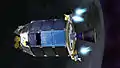
လူန ၁၆ သည် ဆိုဗီယက်ယူနီယံ၏ လူမပါသော အကာသယာဉ်ဖြစ်ပြီး လူန စီမံကိန်း၏ အစိတ်အပိုင်းဖြစ်သည်။ ယင်းသည် လမျက်နှာပြင်သို့ ဆင်းသက်ရန် ကြိုးစားရာ၌ မအောင်မြင်ခဲ့သည့် ငါးခုမြောက်အစင်းလည်းဖြစ်သည်။[1]
| မက်ရှင်အမျိုးအစား | လူန နမူနာပြန်သယ်ခြင်း |
|---|---|
| နိုင်ငံတကာ ဒီဇိုင်းဆရာ | 1970-072A |
| ဂြိုလ်တု ကတ်သလောက်နံပါတ် | 4527 |
| မက်ရှင်ကြာမြင့်ချိန် | ၁၂ ရက် |
| အာကာသယာဉ် ဂုဏ်သတ္တိများ | |
| ဂြိုလ်တုဘပ်စ် | Ye-8-5 |
| ပစ်လွှတ် ထုထည် | ၅,၆၀၀ kg (၁၂,၃၀၀ lb) |
| မက်ရှင် စတင်ခြင်း | |
| ပစ်လွှတ်နေ့ | ၁၂ စက်တင်ဘာ ၁၉၇၀, ၁၃:၂၅:၅၃ UTC |
| ဒုံးပျံ | Proton-K |
| ပစ်လွှတ်နေရာ | Baikonur Cosmodrome |
| မက်ရှင် ပြီးဆုံး | |
| ဆင်းသက်သည့်နေ့ | ၂၄ စက်တင်ဘာ ၁၉၇၀, ၀၅:၂၅ UTC |
| ပတ်လမ်း ပါရာမီတာများ | |
| ရည်ညွန်းစနစ် | Selenocentric |
| ဆီမီးမေဂျာ ဝင်ရိုး | ၆,၄၈၈.၈ km (၄,၀၃၂.၀ mi) |
| ပတ်လမ်း စက်ဝိုင်းကျမှု | 0 |
| Periselene | ၁၁၁ km (၆၉ mi) |
| Aposelene | ၁၁၁ km (၆၉ mi) |
| နိမ့်ဆင်းမှု | 70 degrees |
| ကာလ | 119 minutes |
| Lunar orbiter | |
| ပတ်လမ်းဆိုင်ရာ ထည့်သွင်း | 17 September 1970 |
| ပတ်လမ်း | ~36 |
| Lunar lander | |
| ဆင်းသက်သည့်နေ့ | 20 September 1970, 05:18 UTC |
| အပြန်ပစ်လွှတ် | 21 September 1970, 07:43 UTC |
| ဆင်းသက်သည့်နေရာ | 0°41′S 56°18′E |
| နမူနာ ထုထည် | ၁၀၁ ဂရမ် (၃.၆ အောင်စ) |
| ကိရိယာများ | |
| Stereo photographic imaging system Remote arm for sample collection Radiation detector | |
ကိုးကား
- Burrows၊ William E. (1999)။ This New Ocean: The Story of the First Space Age။ Modern Library။ p. 432။ ISBN 0-375-75485-7။
လကမ္ဘာဆီသို့ အာကာသယာဉ် ခရီးစဉ် | |||||||||||||||||
|---|---|---|---|---|---|---|---|---|---|---|---|---|---|---|---|---|---|
| လက်ရှိ |
| ||||||||||||||||
| အတိတ်က |
| ||||||||||||||||
| အစီစဉ်ချထား |
| ||||||||||||||||
| အဆိုပြု |
| ||||||||||||||||
| ပယ်ဖျက် |
| ||||||||||||||||
| အခြားကြည့်ရန် |
| ||||||||||||||||
လူလိုက်ပါသည့် ခရီးစဉ်များကို စာလုံးစောင်းဖြင့် ပြထားသည်။ | |||||||||||||||||
This article is issued from Wikipedia. The text is licensed under Creative Commons - Attribution - Sharealike. Additional terms may apply for the media files.